Online Courses
Online courses and coaching programs often promise specific income targets or career breakthroughs, enticing buyers with bold guarantees. Evaluating whether these promises are realistic helps you avoid hype‑driven pitfalls and invest in education that truly delivers value.
Where to start evaluating a paid course or coaching program
- 1Look for a stated 'typical results' disclosure, not just highlighted success stories.
- 2Check the instructor's own track record independent of the course they're selling.
- 3Read the refund policy in full before purchasing, including any conditions attached to it.
- 4Search the course name plus 'review' on a platform the creator doesn't control.
- 5Compare the price against free or lower-cost resources covering the same fundamentals.
Evidence overview
How claims about online courses across all reviewed videos stack up against the evidence.
- Claims assessed
- 66
- Strongly supported
- 12
- Mixed evidence
- 17
- Weak evidence
- 10
- Unsupported
- 2
Top claims in this topic
- “The course promises financial results that it does not deliver.”Claim extracted — not yet reviewedSee evidence →
- “The purchase was a scam.”Claim extracted — not yet reviewedSee evidence →
- “The experience was a scam.”Claim extracted — not yet reviewedSee evidence →
Common myths about online courses
Myth: “A course's testimonials represent typical outcomes.”
Reality: Testimonials are self-selected by the most successful — and most camera-willing — students, a textbook case of survivorship bias rather than a representative sample.
Myth: “A high price signals high quality.”
Reality: Course pricing is often set by what the market will bear and how the sales funnel is structured, not by production cost or proven outcomes.
Evidence-aware takeaways
- ✓Testimonials show the best outcomes, not the typical outcome — look for aggregate data instead.
- ✓Read the refund policy's fine print before buying, not after wanting a refund.
- ✓Independent reviews outside the creator's own platform are more reliable than on-page praise.
- ✓Compare against free alternatives before paying a premium for the same fundamentals.
Featured this week

Is A Cloud Guru Still Worth It for Tech Professionals in 2024?
HelperMan gives a brief 3‑minute overview of the A Cloud Guru (ACG) learning platform, assessing its current relevance and value for tech professionals.
HelperMan

Is a $10,000 Online 'Guru' Course a Scam? My Personal Experience
The creator recounts spending $10,000 on an online course sold by a self‑proclaimed “guru,” claiming the material was ineffective and the purchase was a scam.
masrowie

How to Spot Fake Trading Gurus and Avoid Scam Forex Courses?
The video warns viewers about fake trading gurus, misleading forex courses, and Instagram hype, urging caution when evaluating online trading education.
TradewithSid
All videos
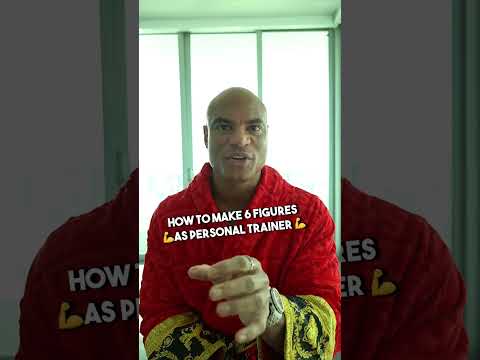
How many clients does a personal trainer need to earn $100k?
The video claims to reveal the exact number of clients a personal trainer needs to earn $100,000, presenting a 10‑step formula for building an online training business.
Brandon Carter

What are the hidden downsides of dropshipping?
The video claims to expose hidden downsides of dropshipping, positioning itself as a counter‑narrative to typical guru hype while promoting a free ecommerce mini‑course.
MyWifeQuitHerJob Ecommerce Channel
Related topics
Frequently Asked Questions
›Do paid online courses really guarantee a specific income level?
Most reputable courses avoid absolute income guarantees because results depend on factors like effort, market conditions, and prior experience; claims of fixed earnings are often marketing hype and lack verifiable evidence.
›How can I verify the credibility of a course instructor’s success claims?
Check for independent third‑party reviews, verifiable financial disclosures, and transparent case studies; cross‑reference their claims with reputable sources such as industry reports or professional certifications.
›Are there red flags that indicate a course is more hype than substance?
Common red flags include overly aggressive sales tactics, vague curriculum details, reliance on testimonials without data, and promises of "quick riches" without outlining required work or risks.
›What should I look for in a refund or money‑back guarantee policy?
A solid policy offers a clear timeframe (e.g., 30‑60 days), simple opt‑out steps, and no hidden penalties; this indicates confidence in the course’s value and protects you from low‑quality offerings.
Free newsletter
Get the weekly digest
5 videos summarised · 3 claims checked · 1 practical takeaway
Unsubscribe any time. No spam.